Table of Contents
- 1. Introduction to Seasonale birth control pills
- 2. How Seasonale works
- 3. Benefits of Seasonale birth control pills
- 4. Side effects and risks
- 5. Comparing Seasonale to traditional 28-day pills
- 6. Who is a good candidate
- 7. How to use Seasonale — dosing and tips
- 8. Managing side effects and what to expect
- 9. Access, cost, and insurance coverage
- 10. Alternatives to Seasonale and considerations
Introduction to Seasonale birth control pills
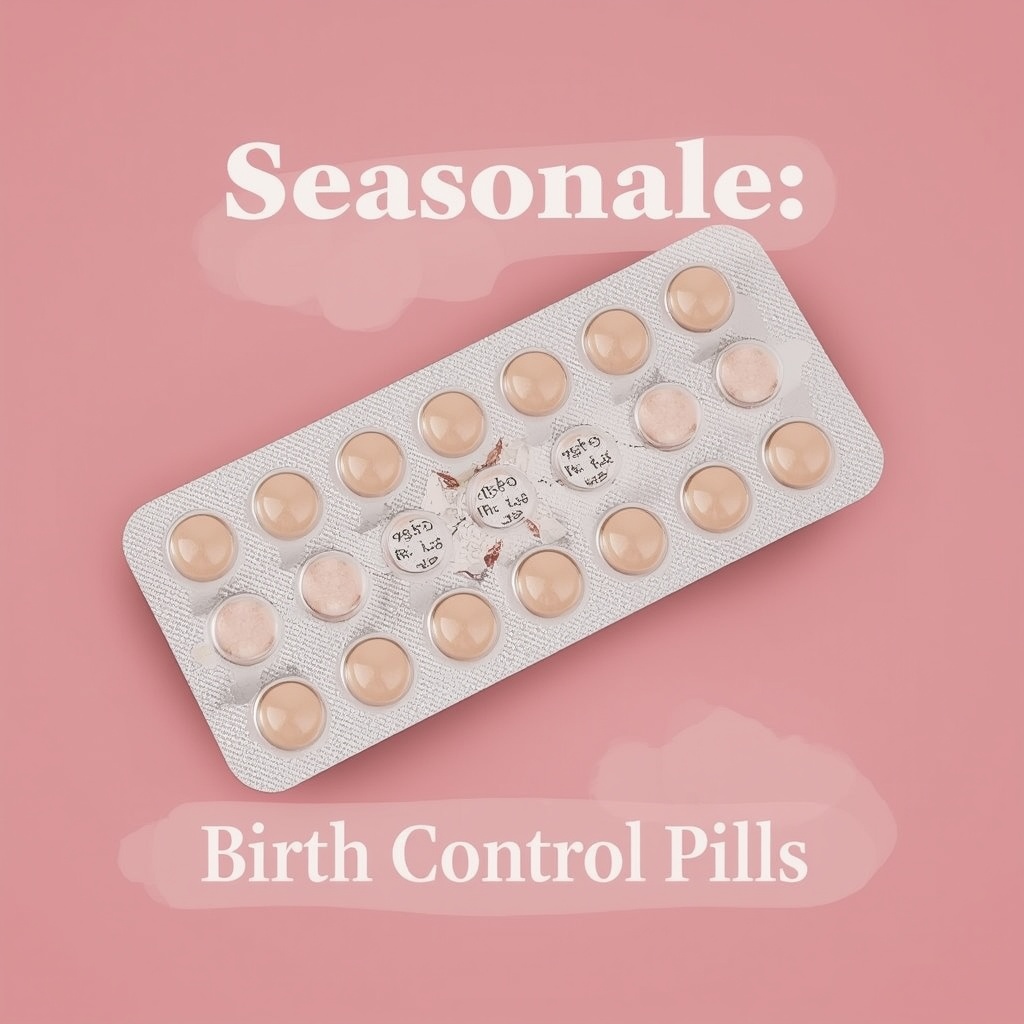
Seasonale birth control pills are an extended-cycle oral contraceptive approved to reduce the frequency of menstrual periods to four times a year. Instead of a monthly bleeding episode, Seasonale’s regimen groups active hormone pills for 84 consecutive days followed by a 7-day hormone-free interval or placebo week, during which withdrawal bleeding typically occurs. Marketed to people who prefer fewer periods or who experience heavy, painful monthly bleeding, Seasonale contains a combination of ethinyl estradiol and levonorgestrel, two hormones commonly used in combined oral contraceptives. This guide explains how Seasonale birth control pills work, who may benefit, potential risks, and practical tips for switching or starting this regimen.
Choosing the right birth control option often involves finding a reliable source for ongoing refills. Online pharmacies provide a practical way to maintain consistency with prescribed treatment plans. Many women prefer to buy seasonale without prescription online thanks to the convenience of home delivery and easy access to this widely used contraceptive medication.
How Seasonale works
Seasonale birth control pills prevent pregnancy using the same basic mechanisms as traditional combined oral contraceptives: suppression of ovulation, thickening of cervical mucus, and alterations to the uterine lining that reduce the chance of implantation. The 84-day dosing keeps hormone levels steady for a longer period, reducing the hormonal cycling that leads to monthly bleeding. For most users, the hormones in Seasonale reliably prevent ovulation when taken correctly—every day at roughly the same time—so consistent adherence is important. Because Seasonale uses low-dose ethinyl estradiol combined with levonorgestrel, it shares many effects and contraindications with other combined pills, including increased clotting risk in certain populations.
Benefits of Seasonale birth control pills
Seasonale birth control pills offer practical and quality-of-life benefits that attract many users who want fewer periods or more predictable bleeding schedules. Key advantages include:
- Reduced frequency of menstruation — typically four cycles per year instead of twelve.
- Improved control over timing — helpful for vacations, sports events, or specific lifestyle needs.
- Lower incidence of menstrual symptoms — many users report less cramping, bloating, and mood swings.
- Potential improvement in heavy bleeding (menorrhagia) — extended cycles can reduce total menstrual blood loss.
- Contraceptive reliability similar to other combined oral contraceptives when taken correctly.
Beyond symptom relief, extended-cycle approaches like Seasonale can simplify pill routines for people who struggle with monthly planning. Some studies also show improved iron stores over time due to fewer bleeding episodes, which can benefit people with anemia or heavy menstrual bleeding. However, not everyone experiences all these benefits, and some may have breakthrough bleeding, especially during the first several months.
Side effects and risks
As with any combined hormonal contraceptive, Seasonale birth control pills carry potential side effects and medical risks. Common short-term side effects may include nausea, breast tenderness, headaches, spotting or breakthrough bleeding, and mood changes. Breakthrough bleeding or irregular spotting is more common during the initial 2–3 cycles as the body adjusts to the extended regimen.
Serious but less common risks mirror those of combined estrogen-progestin pills: an increased risk of blood clots (venous thromboembolism), stroke, and myocardial infarction, especially in smokers over age 35, people with certain clotting disorders, or those with uncontrolled hypertension. Because of these risks, a healthcare provider should screen for contraindications before prescribing Seasonale birth control pills. Always tell your provider about personal or family history of clotting events, migraine with aura, liver disease, or uncontrolled diabetes.
Comparing Seasonale to traditional 28-day pills
Below is a practical comparison between Seasonale birth control pills and a standard 28-day combined oral contraceptive pill to help you weigh differences in cycle scheduling, bleeding patterns, and typical use considerations.
| Feature | Seasonale (84/7) | Traditional 28-day pill (21/7) |
|---|---|---|
| Bleeding frequency | About 4 times/year | About 12 times/year |
| Hormone delivery | 84 active days, then 7 hormone-free | 21 active days, then 7 hormone-free |
| Initial breakthrough bleeding | Higher in first 2–3 cycles | Possible but often less prolonged |
| Contraceptive effectiveness (typical use) | Similar to other combined pills | Similar to other combined pills |
| Best for | Those wanting fewer periods | Those preferring monthly withdrawal bleeds |
Who is a good candidate
Seasonale birth control pills can be appropriate for healthy, non-smoking individuals who want effective contraception and reduced menstrual frequency. Ideal candidates include those who:
- Experience heavy, painful, or disruptive periods and want fewer bleed days per year.
- Prefer fewer hormone-free intervals for symptom control.
- Are non-smokers under age 35 without a history of blood clots or certain cardiovascular risks.
Those who should generally avoid Seasonale include pregnant individuals, people with a history of thrombosis, uncontrolled high blood pressure, certain migraines, liver disease, or those over 35 who smoke. Always consult your healthcare provider for individualized risk assessment before starting Seasonale birth control pills.
How to use Seasonale — dosing and tips
Starting and using Seasonale birth control pills correctly maximizes contraceptive effectiveness and minimizes side effects. Read the patient leaflet and follow your prescriber’s recommendations, but here are general guidelines many providers use:
- Begin on the first Sunday after your period starts or on the first day of your period, based on your clinician’s instructions.
- Take one active pill daily for 84 consecutive days at roughly the same time each day.
- After completing 84 active pills, take the 7-day inactive/placebo tablets; withdrawal bleeding usually occurs during this week.
- If you miss one active pill, take it as soon as you remember. If you miss two or more, follow the manufacturer’s guidance and use backup contraception for 7 days.
- Use backup condoms during the first 7 days if you start Seasonale more than 5 days after the start of your menstrual cycle.
If you experience persistent spotting or severe side effects, contact your prescriber. Some users switch to an extended-cycle regimen gradually or try a different extended pill if Seasonale’s side effects are problematic.
Managing side effects and what to expect
Many side effects are transient. Breakthrough bleeding often decreases after three cycles. For common symptoms, try these practical strategies:
- For nausea: take the pill with food or at bedtime.
- For headaches: monitor triggers, stay hydrated, and use OTC pain relief as advised by your clinician.
- For spotting: continue the pill; if bleeding persists beyond three months, consult your healthcare provider.
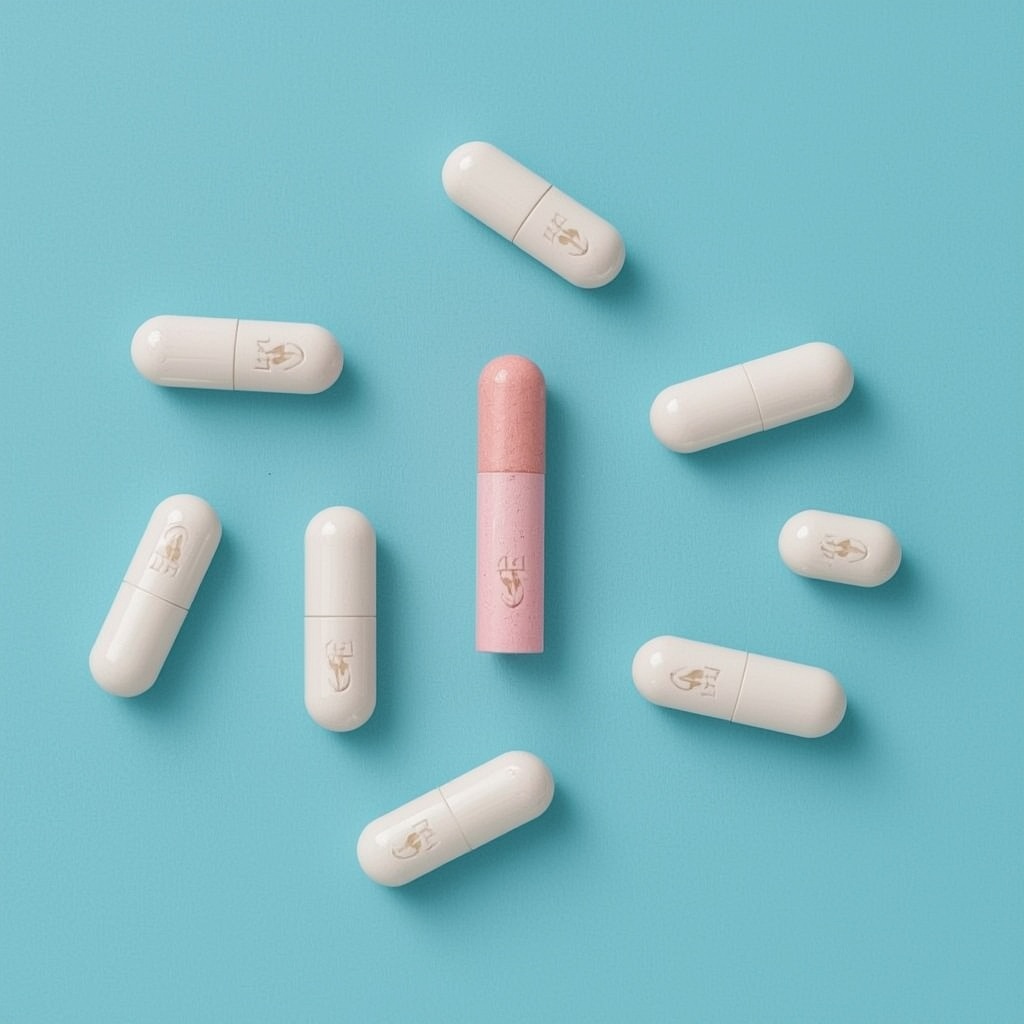
Report alarming symptoms such as sudden leg pain or swelling, chest pain, severe headache with weakness or vision changes, or severe abdominal pain immediately—these may signal a rare but serious complication. Regular follow-ups, blood pressure checks, and discussions about ongoing risk factors help ensure safe long-term use of Seasonale birth control pills.
Access, cost, and insurance coverage
Availability and cost of Seasonale birth control pills vary by pharmacy, insurance plan, and geographic region. Under many U.S. insurance plans that follow the Affordable Care Act preventive services guidelines, FDA-approved contraceptives may be covered with no out-of-pocket cost. However, specific brands and formulations sometimes require prior authorization or may not be on a plan’s preferred formulary.
| Access option | What to expect | Tips |
|---|---|---|
| Insurance | Often covered, check formulary and prior authorization rules | Call insurer or check pharmacy benefits manager; ask for generic alternatives if available |
| Cash pay / retail pharmacy | Out-of-pocket cost varies; generics may be cheaper | Compare prices, use coupons or manufacturer savings programs |
| Online telehealth / mail-order | Convenient refills; prices depend on provider and shipping | Confirm pharmacist and prescriber credentials; check delivery timelines |
If cost is a barrier, ask your clinician about equivalent generics or other extended-cycle options that may be less expensive. Clinics and family planning centers can also help with low-cost access.
Alternatives to Seasonale and considerations
Seasonale birth control pills are one extended-cycle option among several contraceptives that reduce bleeding frequency or eliminate periods altogether. Alternatives to consider include other extended-cycle combined pills, continuous oral contraceptives (skipping placebo weeks entirely), hormonal IUDs (which often reduce or stop periods), the contraceptive implant, and depot injections. Each option has distinct side effect profiles, duration of action, and contraindications.
When choosing, weigh factors like desire for pregnancy in the near term, tolerance for hormones, convenience, side effect risk, and cost. Discussing personal priorities and medical history with a clinician will help match you to the most suitable method—whether Seasonale birth control pills or another contraceptive approach.